Understanding Facial Rejuvenation Surgery
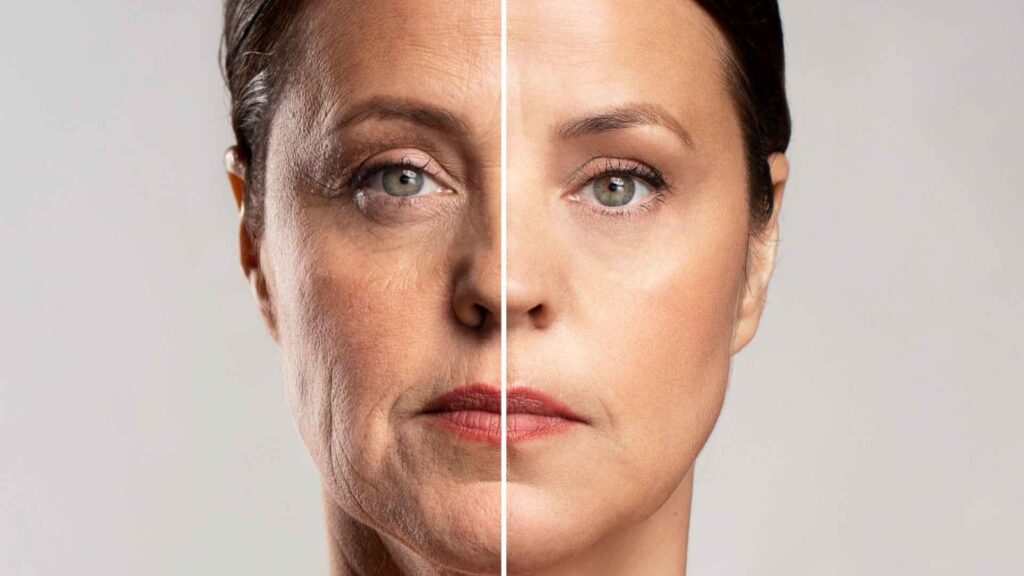
Facial rejuvenation surgery refers to a series of medically guided procedures aimed at addressing the visible signs of aging in the face and neck. These procedures are performed to restore youthful contours, improve facial harmony, and enhance overall appearance in a way that respects the individual’s natural anatomy. For many patients, surgical intervention offers the most effective and long-lasting solution when compared to non-surgical approaches.
In a professional aesthetic setting such as Beautyland Plastic Surgery in Miami, facial rejuvenation surgery is customized based on each patient’s specific signs of aging, skin condition, and facial structure. This category of procedures is often pursued by patients who have previously tried non-invasive treatments but are looking for more definitive, structural improvements.
The Science of Facial Aging
Facial aging is a complex, multifactorial process involving changes to skin, fat, muscle, and bone. Over time, the skin loses elasticity due to the decline in collagen and elastin production. Fat pads in the face shift downward or diminish, leading to volume loss and sagging. The underlying muscles may weaken, and the bones that support facial structure undergo subtle resorption.
These changes can lead to common aesthetic concerns such as:
- Jowls and loss of jawline definition
- Deepening of nasolabial folds
- Drooping of the cheeks or mid-face
- Loose skin and muscle in the neck region
- General facial laxity and tired appearance
While topical treatments and injectables can temporarily address surface-level symptoms, surgical facial rejuvenation is often required to correct the deeper anatomical changes associated with aging.
Purpose of Surgical Facial Rejuvenation
The primary purpose of facial rejuvenation surgery is to reposition, reshape, and restore facial features to a more youthful state. This is achieved by targeting the underlying support structures, not just the skin’s surface. The goal is not to change a patient’s identity but to enhance their natural features by correcting age-related descent and volume loss.
Surgical procedures in this category include options like:
- Midface lifts to elevate sagging cheeks
- Neck contouring to reduce skin laxity and banding
- SMAS (Superficial Musculoaponeurotic System) tightening to reinforce facial foundation
- Brow repositioning for upper facial balance
- Comprehensive facial lift techniques when appropriate
Each approach is designed to create long-lasting results that cannot be achieved through fillers or laser treatments alone.
Surgical vs. Non-Surgical Rejuvenation: A Clinical Comparison
Non-surgical facial rejuvenation treatments such as neurotoxins, dermal fillers, ultrasound therapy, and lasers have become increasingly popular for their convenience and limited downtime. However, they do have limitations. They work primarily at the skin or superficial tissue level and cannot correct deep sagging or significant volume loss.
Surgical facial rejuvenation provides more dramatic and enduring improvements. Some key differences include:
- Longevity: Surgical results can last 7–10 years or more, while non-surgical treatments often require maintenance every few months.
- Scope of Correction: Surgery addresses all facial layers, including fat and muscle, not just the skin.
- Structural Restoration: Facial contours and symmetry are better re-established with surgery.
- Cost Efficiency: While surgery has a higher upfront cost, long-term investment may be lower than cumulative non-surgical sessions.
For select patients—particularly those with moderate to advanced facial aging—surgical rejuvenation remains the gold standard.
Who Are Ideal Candidates for Facial Rejuvenation Surgery?
Ideal candidates for surgical facial rejuvenation are individuals in good overall health, who are non-smokers or willing to stop smoking before and after surgery, and who have realistic expectations about outcomes. Typical indicators include:
- Visible sagging of the mid-face or jawline
- Loose neck skin or vertical banding
- Facial volume loss not fully addressed by fillers
- Desire for longer-lasting results
Age is not the sole determinant; rather, the extent of aging and tissue laxity drives the recommendation. Patients in their 40s to 70s commonly seek these procedures, but candidacy is assessed individually during a thorough consultation with a board-certified plastic surgeon.
Benefits of Facial Rejuvenation Surgery
When performed by an experienced plastic surgeon, facial rejuvenation surgery offers numerous benefits, including:
- Natural-Looking Results: Enhancements are tailored to the patient’s anatomy, avoiding an overdone appearance.
- Improved Facial Balance: Surgical techniques can correct asymmetry and reestablish proportional contours.
- Psychological Confidence: Patients often report increased self-esteem and satisfaction with their appearance.
- Fewer Maintenance Treatments: Compared to frequent non-surgical sessions, surgery often requires fewer follow-ups.
The focus is always on enhancing—not altering—the patient’s identity, and returning a refreshed version of themselves.
Supporting Terminology: Understanding the Facial Lift
The term facial lift is often used interchangeably with face lift or rhytidectomy. It generally refers to surgical interventions designed to elevate and tighten the facial soft tissues. While this term is widely recognized in public discourse, it is often just one component of a broader facial rejuvenation plan that may include other techniques tailored to specific anatomical zones.
Patients may hear variations like lower face lift, midface lift, or mini lift, which describe different extents or focus areas. It’s important to discuss these terms directly with a qualified provider, as each surgeon may use terminology differently based on technique and philosophy.
Choosing the Right Approach
Making the decision between surgical and non-surgical facial rejuvenation requires professional guidance. At Beautyland Plastic Surgery, the team of experts prioritizes education, safety, and patient-centered outcomes. Every consultation includes a detailed facial analysis, discussion of goals, and presentation of suitable treatment options.
Surgery is never recommended lightly—it is offered only when it aligns with the patient’s anatomy, expectations, and health profile. For many, combining surgical facial rejuvenation with non-invasive treatments yields the best results. For others, surgery may be the single most effective option.
Conclusion: Empowering Patients Through Education
Facial rejuvenation surgery offers a scientifically supported, anatomically focused pathway to restoring youthful appearance. Unlike temporary fixes, surgical techniques provide foundational improvements that address the core causes of facial aging. For appropriate candidates, the results are transformative—not only physically, but emotionally.
Beautyland Plastic Surgery encourages all prospective patients to pursue information, ask questions, and engage in open dialogue with experienced providers. Our goal is not to sell procedures, but to offer solutions rooted in ethics, evidence, and empathy.
Schedule Your Facial Rejuvenation Consultation
Considering facial rejuvenation surgery in Miami? At Beautyland Plastic Surgery, we provide comprehensive, medically guided consultations to help you determine the best path toward achieving a refreshed, youthful appearance. Whether you’re evaluating your options for the first time or ready to take the next step, our clinic is here to support you with expert care and personalized recommendations.
Schedule your consultation today . We look forward to helping you explore the benefits of surgical facial rejuvenation with confidence and clarity.