
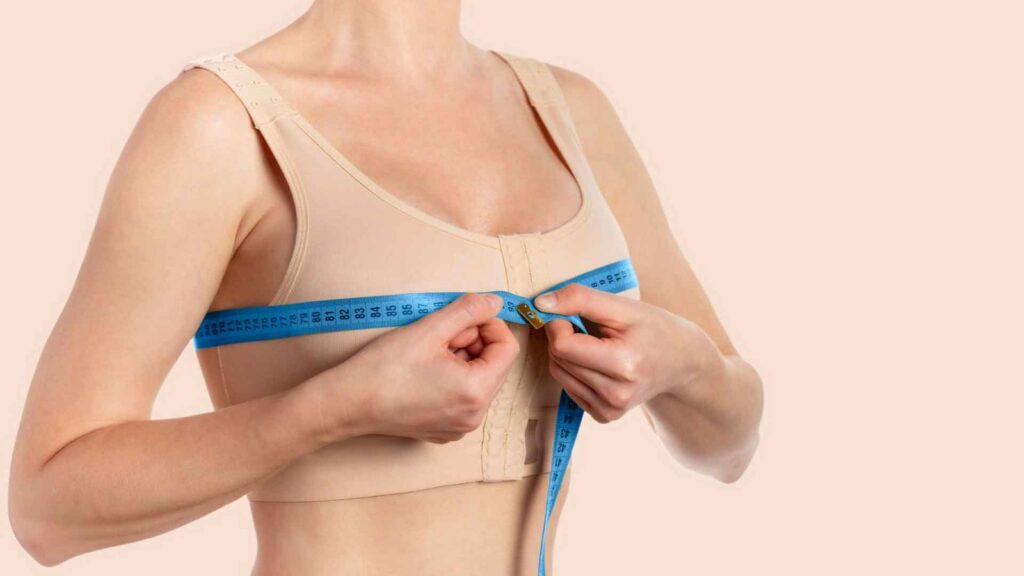
Chronic neck, shoulder, and back pain is often attributed to poor posture, long work hours, or aging. However, for many women, the underlying cause is biomechanical strain from excessively heavy breasts. When breast weight persistently alters spinal alignment and overloads supportive musculature, symptoms may progress beyond discomfort into measurable medical problems. In these cases, reduction mammoplasty is not simply elective—it can become medically necessary to prevent long-term structural damage.
Understanding when symptoms cross that threshold is critical. Ongoing strain is not benign. Left untreated, the musculoskeletal and neurologic consequences can compound over time, affecting mobility, spinal health, and overall physical function.
The Biomechanical Impact of Excess Breast Weight
Large, heavy breasts shift the body’s center of gravity forward. To compensate, the cervical (neck) and thoracic (upper back) spine increase curvature, while shoulder muscles remain in a chronically contracted state to stabilize posture. This compensation pattern may appear subtle initially, but over months and years it can lead to:
- Accelerated cervical and thoracic spine degeneration
- Chronic trapezius and paraspinal muscle strain
- Shoulder impingement syndromes
- Tension-related headaches
- Nerve compression symptoms in the upper extremities
The spine is designed to distribute weight efficiently. Persistent anterior loading from breast hypertrophy (excessive breast tissue growth) disrupts that balance. Muscles fatigue. Ligaments stretch. Intervertebral discs endure increased pressure. Over time, this repetitive stress may contribute to disc protrusion, chronic inflammation, and postural deformities.
When Pain Becomes a Progressive Condition
Intermittent discomfort after physical activity is common. Chronic pain lasting months or years despite conservative therapy is different. Persistent upper back and neck strain can lead to structural changes in spinal alignment, including exaggerated kyphosis (forward rounding of the upper back).
As spinal mechanics deteriorate, secondary symptoms may develop:
- Reduced range of motion in the neck and shoulders
- Radiating pain into the arms
- Hand numbness or tingling from nerve irritation
- Frequent muscle spasms
- Sleep disturbance due to discomfort
These symptoms reflect more than muscular fatigue—they may signal ongoing nerve and joint involvement. Without correcting the underlying mechanical stressor, symptom management alone often fails to provide durable relief.
Dermatologic and Soft Tissue Complications
The physical consequences of heavy breasts extend beyond the spine. The inframammary fold (the crease beneath the breast) creates a warm, moist environment prone to chronic skin breakdown. Recurrent intertrigo—an inflammatory rash caused by friction and trapped moisture—can become persistent.
Patients frequently report:
- Chronic rashes resistant to topical treatment
- Recurrent fungal or bacterial infections
- Painful skin fissures
- Permanent skin discoloration or scarring
Shoulder strap grooving from supportive bras can also cause soft tissue indentation and localized nerve irritation. These dermatologic issues are often underestimated but may significantly impact daily comfort and hygiene.
Limitations in Physical Activity and Cardiovascular Health
Heavy breasts can mechanically restrict high-impact and endurance activities. Running, aerobic exercise, and certain strength-training movements may become uncomfortable or unsustainable despite supportive garments.
Reduced physical activity has broader health implications. Long-term avoidance of exercise contributes to weight gain, reduced cardiovascular conditioning, decreased bone density, and metabolic risk factors. When breast weight acts as a barrier to regular movement, the effects extend beyond musculoskeletal strain.
Conservative Treatment: When Is It Enough?
Before considering reduction mammoplasty, many patients pursue non-surgical interventions, including:
- Physical therapy
- Postural training
- Chiropractic adjustments
- Custom supportive bras
- Nonsteroidal anti-inflammatory medications
- Weight reduction efforts
These approaches may temporarily reduce symptoms. However, they do not eliminate the structural load imposed by excessive breast tissue. When documented conservative management fails to relieve persistent pain, and symptoms continue to interfere with function, surgical intervention may be clinically indicated.
Defining Medical Necessity for Reduction Mammoplasty
Reduction mammoplasty becomes medically necessary when breast hypertrophy produces chronic, documented symptoms that impair physical health and daily functioning. Clinical indicators often include:
- Persistent neck, shoulder, or back pain unresponsive to therapy
- Objective shoulder grooving
- Recurrent inframammary infections
- Neurologic symptoms related to nerve compression
- Postural abnormalities confirmed on examination
Imaging studies may reveal degenerative spinal changes consistent with chronic anterior loading. Medical documentation of ongoing symptoms over time further supports the functional basis for surgery.
In these cases, reduction mammoplasty addresses the root mechanical cause rather than treating downstream effects.
How Reduction Mammoplasty Corrects the Structural Problem
Reduction mammoplasty removes excess glandular tissue, fat, and skin to decrease total breast mass. By reducing anterior chest wall weight, spinal loading forces are redistributed. This allows paraspinal muscles to relax, improves postural alignment, and decreases compression across cervical and thoracic segments.
The procedure also reshapes the breast and repositions the nipple-areola complex for proportional balance. Importantly, the therapeutic benefit comes from measurable reduction in weight—not simply cosmetic contouring.
Clinical studies consistently demonstrate high rates of symptom improvement following surgery, including significant reductions in pain scores and enhanced physical functioning.
Potential Long-Term Risks of Delaying Treatment
Chronic musculoskeletal strain rarely resolves spontaneously when the underlying load remains unchanged. Delaying definitive treatment may contribute to:
- Progressive spinal degeneration
- Chronic myofascial pain syndromes
- Permanent postural changes
- Worsening nerve compression symptoms
- Reduced overall mobility with age
While not every patient will develop severe complications, prolonged mechanical imbalance increases cumulative risk. Addressing the source of strain earlier may reduce the likelihood of chronic structural damage.
Recovery and Functional Outcomes
Reduction mammoplasty is typically performed under general anesthesia and completed in several hours. Most patients return home the same day. Initial recovery involves swelling, temporary activity restrictions, and supportive garments to protect healing tissues.
Within weeks, many individuals report measurable decreases in neck and shoulder tension. As healing progresses, improvements in posture and mobility become more evident. Long-term studies show sustained relief of musculoskeletal symptoms in the majority of appropriately selected patients.
Scars are an expected outcome of surgery, but incision placement is designed to be concealed beneath clothing. Over time, scars typically fade and flatten.
Objective Evaluation Is Essential
Determining whether reduction mammoplasty is medically necessary requires comprehensive evaluation. During consultation, factors assessed include:
- BMI and overall health status
- Breast volume and degree of ptosis (sagging)
- Postural alignment
- Muscle tenderness and trigger points
- Skin integrity beneath the breasts
- History of conservative treatment attempts
This assessment helps establish whether symptoms correlate directly with breast hypertrophy and whether surgical reduction is likely to produce functional improvement.
Who Should Consider a Consultation?
You may benefit from a consultation if you experience:
- Daily upper back, neck, or shoulder pain lasting longer than six months
- Recurrent skin infections beneath the breasts
- Neurologic symptoms such as arm numbness
- Postural fatigue after short periods of standing
- Limited ability to engage in physical exercise due to breast weight
Even if you are uncertain whether surgery is appropriate, a professional evaluation can clarify whether your symptoms are likely attributable to breast hypertrophy and whether reduction mammoplasty is a medically sound option.
Taking Action Before Structural Damage Progresses
Chronic musculoskeletal strain should not be dismissed as an unavoidable consequence of anatomy. Persistent spinal loading from heavy breasts can have cumulative effects that extend beyond daily discomfort.
Reduction mammoplasty offers a structural solution grounded in medical evidence. By decreasing breast mass and restoring biomechanical balance, the procedure addresses the underlying cause of chronic pain rather than masking symptoms.
If heavy breasts are contributing to ongoing neck, shoulder, or back pain—and conservative measures have failed—scheduling a consultation is an appropriate next step. A thorough medical evaluation can determine whether reduction mammoplasty is indicated and help you make an informed decision about protecting your long-term musculoskeletal health.