Healthy skin depends on hydration, collagen support, balanced cellular turnover, and protection from environmental stress. Over time, natural aging, sun exposure, pollution, and lifestyle factors can contribute to dullness, fine lines, uneven texture, and reduced elasticity. For individuals seeking non-surgical skin rejuvenation focused on skin quality rather than dramatic volume changes, NCTF has become a recognized option in aesthetic medicine.
NCTF, short for New Cellular Treatment Factor, is a polyrevitalizing injectable treatment formulated to improve hydration, luminosity, texture, and overall skin quality. It contains a blend of active ingredients commonly used to support healthier-looking skin, including hyaluronic acid, vitamins, amino acids, minerals, coenzymes, and antioxidants.
If you are noticing early signs of aging, dehydration, rough texture, or tired-looking skin, learning more about NCTF can help you better understand whether it may align with your skin goals.
What Is NCTF?
NCTF is designed to support the skin at the dermal level, where hydration balance and structural integrity play an important role in how the skin looks and feels. Unlike traditional dermal fillers that primarily restore lost volume or contour facial features, NCTF is generally used to improve the condition of the skin itself.
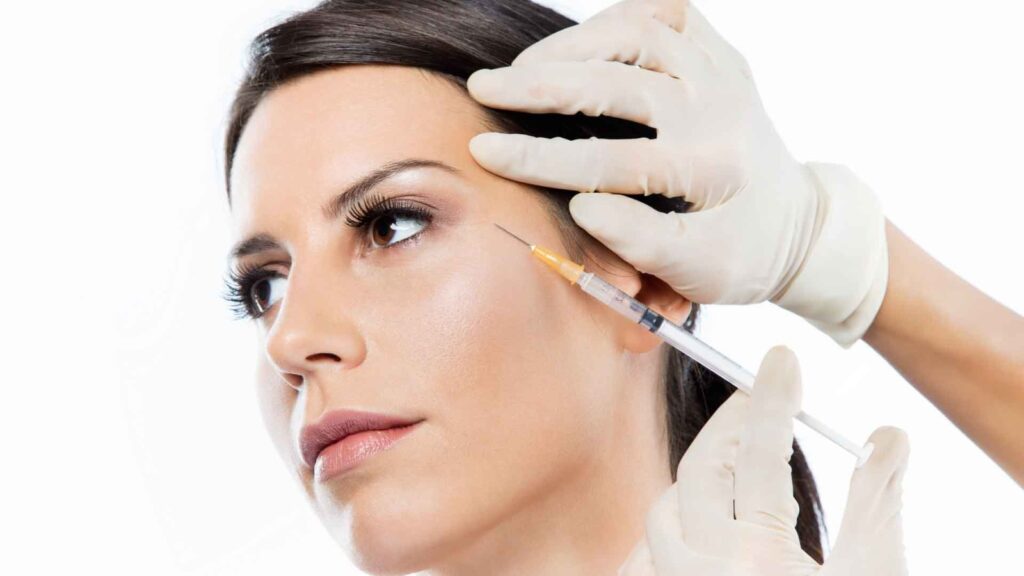
The treatment is often delivered through superficial microinjections or mesotherapy-style techniques to address dehydration, dullness, superficial lines, and uneven texture.
This makes NCTF especially appealing for patients who want natural-looking enhancement centered on skin revitalization rather than facial reshaping.
How NCTF Works
Skin aging is influenced by several biological changes, including declining collagen production, slower repair processes, oxidative stress, and reduced moisture retention. NCTF is designed to address multiple factors at once through a combination-based approach.
When administered by a qualified medical professional, NCTF may help:
- Improve hydration through hyaluronic acid
- Support cellular metabolism with vitamins and coenzymes
- Provide amino acids involved in tissue maintenance
- Help defend against oxidative stress with antioxidants
- Enhance surface smoothness and skin texture
- Promote a brighter, fresher appearance
Because visible skin aging is multifactorial, many patients seek treatments that address more than one concern at the same time.
Who May Be a Candidate for NCTF?
NCTF may be appropriate for adults interested in minimally invasive skin rejuvenation. Candidates often include individuals experiencing:
- Dry or dehydrated skin
- Dull complexion
- Fine superficial lines
- Early skin laxity
- Rough texture
- Loss of glow
- Skin stress related to environmental exposure
A consultation with a qualified provider is important to assess skin condition, medical history, allergies, medications, and treatment goals before proceeding.
Common Areas Commonly Discussed for NCTF
- Face
- Neck
- Décolletage
- Hands
- Under-eye or periocular area when appropriate
These areas frequently show dehydration, fine lines, thinning skin, and sun-related aging changes.
What to Expect During Treatment
NCTF is generally performed in a professional medical setting following evaluation of candidacy. The skin is cleansed, and a numbing product may be considered depending on technique and sensitivity.
The product is then placed into superficial layers of the skin using a series of small injections or specialized delivery methods. Sessions are typically efficient and well tolerated.
Temporary redness, swelling, pinpoint marks, or tenderness may occur afterward and often improve over the following hours to days.
How Many Sessions Are Usually Recommended?
Because NCTF is intended to improve skin quality progressively, many treatment plans involve a series of sessions rather than a single visit. Recommendations vary depending on:
- Baseline skin quality
- Degree of dehydration
- Textural concerns
- Age-related changes
- Sun exposure history
- Maintenance goals
A personalized treatment plan should be based on professional assessment and realistic expectations.
When Are Results Visible?
Some individuals notice improved hydration and glow relatively soon after treatment. However, cumulative improvements in texture and skin quality usually develop gradually over time and may be enhanced with repeat sessions.
Reported benefits often include:
- Smoother-feeling skin
- Improved radiance
- Better hydration
- Refined texture
- Softening of superficial fine lines
- Healthier overall appearance
NCTF vs Dermal Fillers
Although both are injectable treatments, they serve different purposes.
- NCTF: Primarily focuses on hydration, skin quality, luminosity, and texture.
- Dermal Fillers: Primarily restore volume, contour features, or soften deeper folds.
Some individuals may discuss both options as part of a broader aesthetic plan depending on their goals.
NCTF vs Microneedling
Microneedling works by creating controlled micro-injuries that stimulate repair responses, while NCTF delivers active ingredients into superficial skin layers. Both may support rejuvenation, but through different mechanisms.
Selection depends on the patient’s skin concerns, tolerance, and treatment objectives.
Is NCTF Safe?
When performed by trained and qualified medical professionals using proper technique and patient selection, NCTF is generally considered a commonly used aesthetic treatment. As with any injectable procedure, risks and side effects may include:
- Redness
- Swelling
- Bruising
- Tenderness
- Temporary irregularity at injection points
- Infection risk with any skin puncture procedure
- Rare sensitivity reactions
Individuals should disclose complete medical history and follow post-treatment instructions carefully.
How to Maintain Results
- Use daily broad-spectrum sunscreen
- Follow a medically guided skincare routine
- Stay hydrated
- Avoid smoking
- Limit excessive UV exposure
- Maintain follow-up care as recommended
Healthy habits can play an important role in preserving skin quality after treatment.
Why Professional Evaluation Matters
Not every skin concern is best treated with NCTF alone. Pigmentation, deeper wrinkles, acne scars, rosacea, volume loss, or significant laxity may require other treatments or combination approaches.
A professional consultation helps evaluate:
- Skin type and tone
- Degree of aging change
- Texture irregularities
- Hydration status
- Medical suitability
- Realistic goals
This helps create a personalized treatment strategy rather than a one-size-fits-all recommendation.