A breast lift, medically known as mastopexy, is designed to elevate and reshape breasts that have lost firmness due to aging, pregnancy, weight fluctuations, or gravity. One of the most frequently discussed aspects of this procedure is the resulting surgical scar pattern. Among the most commonly used techniques is the lollipop scar, a vertical incision pattern that allows surgeons to reshape breast tissue while limiting visible scarring.
Understanding how the lollipop scar forms, how it heals, and how it can be managed post-surgery is essential for anyone considering a breast lift. When patients are well informed about incision patterns and scar care strategies—including the use of silicone sheets for scars—they can approach surgery with realistic expectations and make confident decisions about their care.
If you are researching breast lift procedures, learning about the lollipop scar technique is an important step before scheduling a consultation.
What Is a Lollipop Scar?
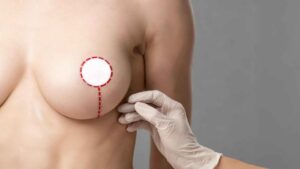
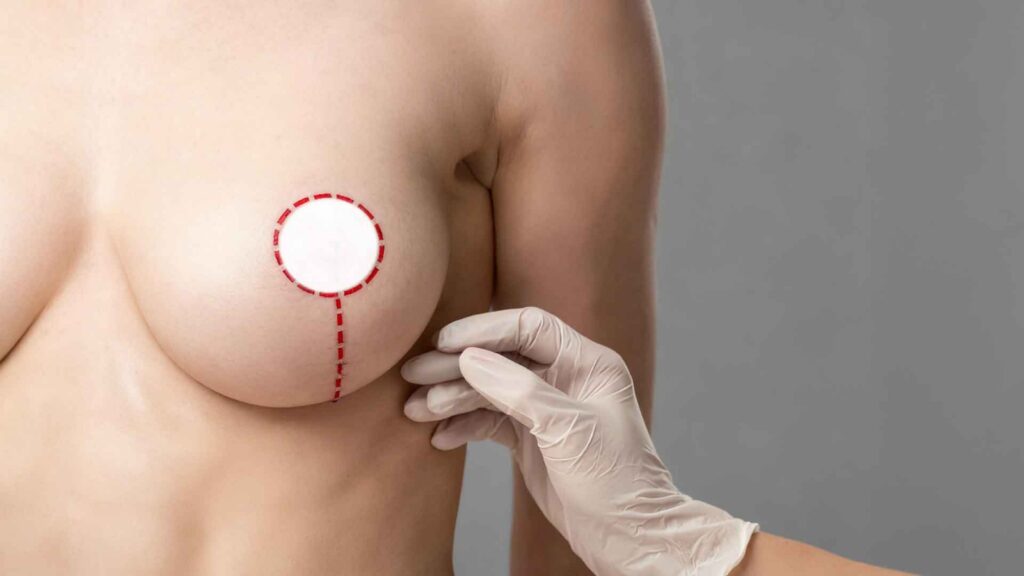
The term lollipop scar refers to the incision pattern used in a specific type of breast lift technique known as the vertical mastopexy. The name comes from the shape created by the surgical incisions:
- A circular incision around the areola
- A vertical incision extending from the areola down to the breast crease
When these incisions are combined, they resemble the shape of a lollipop—hence the name.
This technique allows surgeons to remove excess skin, reposition the nipple-areolar complex, and reshape breast tissue to create a more lifted appearance. Compared to other breast lift incision patterns, the lollipop technique offers an effective balance between structural reshaping and scar minimization.
Why Surgeons Use the Lollipop Scar Technique
Several breast lift techniques exist, each designed for different levels of breast sagging (ptosis). The lollipop scar method is commonly used for patients with mild to moderate ptosis because it allows significant reshaping while avoiding longer horizontal scars.
The advantages of this approach include:
- Improved breast projection and contour
- Reduced skin excess
- Repositioning of the nipple to a more youthful height
- Less extensive scarring than anchor-pattern techniques
From a surgical standpoint, the vertical mastopexy technique enables internal breast tissue reshaping rather than relying solely on skin tightening. This structural support contributes to longer-lasting lift results.
How the Lollipop Scar Forms During Surgery
During a breast lift using the vertical incision technique, the surgeon follows a structured sequence of steps to reshape the breast:
- Markings are placed on the breast before surgery to guide incision placement.
- A circular incision is made around the areola.
- A vertical incision extends downward to the breast fold.
- Excess skin is removed and internal breast tissue is reshaped.
- The nipple and areola are repositioned higher on the breast mound.
- The incisions are carefully closed with layered sutures.
The resulting scar pattern remains confined to the areola border and a vertical line beneath it. Over time, the lollipop scar typically softens and fades as part of the natural healing process.
Healing Timeline for a Lollipop Scar
Scar development after a breast lift follows the normal phases of wound healing. Understanding these phases can help patients recognize what is expected during recovery.
1. Early Healing (Weeks 1–3)
Immediately after surgery, the incision lines may appear red or slightly raised. This is a normal inflammatory response as the body begins repairing tissue. Sutures and surgical tapes help support the incision during this stage.
2. Scar Formation (Weeks 4–12)
During the next several weeks, collagen production increases as the body strengthens the incision area. The lollipop scar may appear darker or firmer temporarily as this process occurs.
3. Scar Maturation (3–12 Months)
Over time, the scar typically becomes flatter, lighter in color, and softer. Final scar appearance can take up to a year or longer depending on individual healing characteristics.
Factors that influence scar healing include genetics, skin type, incision care, and adherence to post-operative instructions.
Scar Care After a Breast Lift
Proper scar management plays an important role in optimizing the final appearance of a lollipop scar. Surgeons typically recommend several evidence-based strategies during the recovery period.
Keeping Incisions Clean and Protected
During the early recovery phase, keeping surgical incisions clean and dry is essential. Dressings or surgical tapes may be used to reduce tension along the incision line.
Limiting Tension on the Incision
Excess tension across the healing incision can lead to widened scars. Wearing the recommended surgical support garment and avoiding strenuous upper-body activity during early healing can help minimize this risk.
Sun Protection
Ultraviolet exposure can cause scars to darken permanently. Protecting healing scars from direct sunlight is strongly recommended for at least one year after surgery.
Silicone Sheets for Scars: A Common Recommendation
One of the most widely studied methods for improving surgical scar appearance is the use of silicone sheets for scars. These medical-grade silicone dressings are applied over healed incisions to support optimal scar maturation.
Research suggests silicone sheets may help:
- Maintain hydration of the scar tissue
- Reduce scar thickness
- Minimize redness and discoloration
- Improve scar texture over time
Silicone sheets are typically introduced once the incision has fully closed and the skin surface is intact. They are worn for several hours per day or overnight, depending on physician recommendations.
Consistency is key—many patients use silicone sheets for several weeks to months to support long-term scar improvement.
Factors That Affect the Appearance of a Lollipop Scar
While surgical technique and scar care play important roles, several biological factors also influence how a scar heals.
Skin Type and Genetics
Some individuals naturally form thicker scars due to genetic predisposition. People with darker skin tones may also be more prone to hyperpigmentation or hypertrophic scars.
Age and Skin Elasticity
Younger skin tends to heal quickly but may produce more robust scar tissue. Older skin often forms thinner scars due to reduced collagen activity.
Smoking and Circulation
Smoking impairs blood flow to healing tissues and can significantly affect wound healing and scar quality. Avoiding nicotine before and after surgery is strongly recommended.
Post-operative Compliance
Following recovery instructions—including scar care, garment use, and activity restrictions—directly influences surgical outcomes.
How the Lollipop Scar Compares to Other Breast Lift Scars
Different breast lift techniques create different scar patterns. Understanding how the lollipop scar compares to other approaches helps patients choose the most appropriate surgical plan.
Crescent Lift
This technique involves a small incision along the upper border of the areola. It is used for minimal lifting but offers limited reshaping capability.
Periareolar Lift
The incision surrounds the entire areola. While it avoids vertical scars, it may not provide sufficient lift for moderate sagging.
Anchor Lift
This technique includes three incisions: around the areola, vertically downward, and along the breast fold. It allows extensive reshaping but results in a longer scar.
The lollipop scar sits between these approaches, offering more lifting capability than periareolar techniques while avoiding the horizontal scar associated with the anchor pattern.
When the Lollipop Scar Technique Is Most Appropriate
The vertical mastopexy approach is typically recommended for patients experiencing:
- Mild to moderate breast sagging
- Downward-pointing nipples
- Loss of breast shape after pregnancy or weight loss
- Stretched skin with reduced elasticity
A thorough consultation allows a qualified surgeon to evaluate breast anatomy, skin quality, and patient goals before determining whether the lollipop scar technique is appropriate.
Combining a Breast Lift With Other Procedures
Some patients choose to combine a breast lift with additional procedures such as breast augmentation or breast reduction. These combinations may influence the surgical plan and incision pattern.
For example:
- Breast lift with implants may still use the lollipop scar technique depending on implant size and skin characteristics.
- Breast reduction may require additional incisions if significant tissue removal is necessary.
Each surgical plan is individualized to achieve balanced proportions and safe structural support.
When to Schedule a Consultation
Patients considering a breast lift often begin by researching incision techniques and recovery expectations. Understanding the lollipop scar approach can help clarify whether this procedure aligns with personal goals.
A consultation provides the opportunity to:
- Evaluate breast anatomy and skin elasticity
- Discuss surgical techniques and scar patterns
- Review scar care strategies such as silicone sheets
- Develop a personalized surgical plan
Scheduling a consultation through the website allows patients to receive professional guidance and detailed information about breast lift options in a clinical setting.
Final Thoughts on the Lollipop Scar in Breast Lift Surgery
The lollipop scar technique remains one of the most widely used methods in modern breast lift surgery because it offers effective reshaping while limiting the extent of visible scarring. When paired with careful surgical planning and evidence-based scar management, patients can achieve well-defined breast contours and favorable scar maturation.
Anyone considering mastopexy should focus not only on aesthetic outcomes but also on understanding the surgical process, healing timeline, and long-term scar care strategies.
Learning about incision patterns like the lollipop scar is an important step toward making informed decisions about breast lift surgery.