Quick self-check: Are your concerns “upper,” “lower,” or both?
Before you compare techniques, identify what you want to improve. Use this quick checklist (it’s not a diagnosis—just a guide to organize your thoughts before a professional evaluation).
Most common reasons people consider upper eyelid plastic surgery
- Hooding: extra upper-lid skin that folds over the crease and makes the eye look smaller.
- Heaviness: lids feel “weighted,” especially later in the day or when reading.
- Makeup trouble: eyeliner/eyeshadow transfers because skin touches the lash line.
- Asymmetry: one upper lid appears lower or fuller than the other.
- Functional concern: drooping skin may reduce peripheral vision in more advanced cases.
Most common reasons people consider lower eyelid plastic surgery
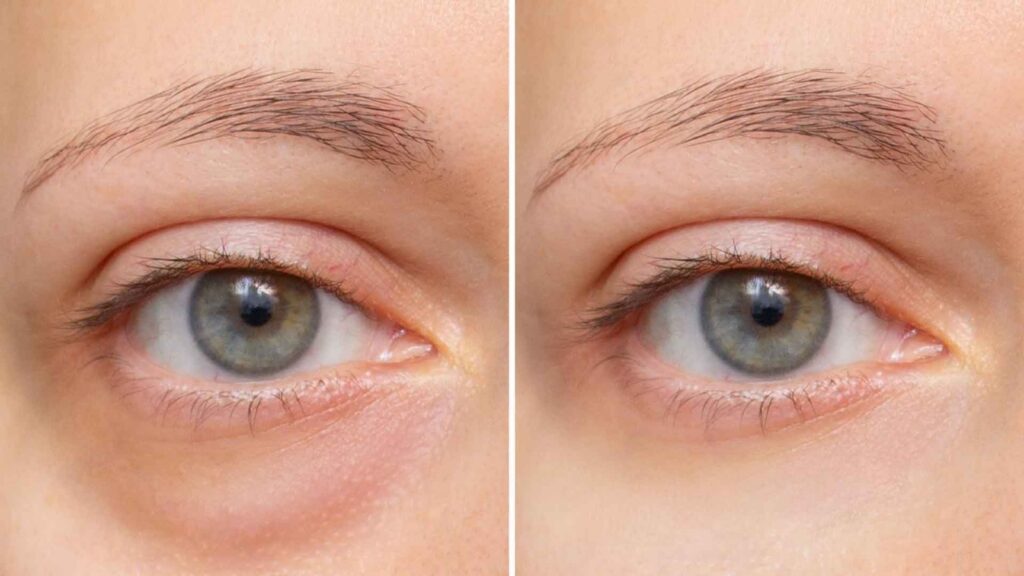
- Under-eye bags: puffiness that doesn’t change much with sleep or skincare.
- Shadowing/tear-trough hollow: a tired look created by contour changes under the eye.
- Wrinkled or lax skin: fine creases or “crepey” texture below the lashes.
- Uneven under-eye contour: one side shows more bulge or deeper hollow.
Many people have a combination. The best results usually come from treating the dominant driver of your concern (skin excess, fat prominence, hollowing, or structural support) rather than chasing a single trend.
The core difference: what each procedure is built to correct
Think of eyelid surgery as precision tailoring for facial balance. In general:
- Upper eyelid plastic surgery primarily addresses excess skin and contour in the upper lid,
and may involve careful adjustment of underlying tissue when appropriate. - Lower eyelid plastic surgery is often about improving the under-eye contour—reducing bulges,
smoothing transitions, and supporting the lower lid so the eye area stays natural-looking.
A helpful mindset: Upper surgery opens the eye; lower surgery smooths the under-eye.
They can be performed separately or together depending on what your anatomy needs.
Upper eyelid plastic surgery: who it’s for and what to expect
Upper eyelid changes can make you look tired, stern, or older than you feel. Upper eyelid plastic surgery typically focuses on restoring a cleaner, lighter lid contour while keeping your natural eye shape recognizable.
What upper eyelid plastic surgery can do particularly well
- Reduce hooding and define the eyelid crease more clearly.
- Restore symmetry when one side has more excess skin or fullness.
- Create a more “awake” look without changing your facial identity.
- Support function when excess upper-lid skin contributes to peripheral vision obstruction.
What upper eyelid plastic surgery may not solve on its own
- Low brow position: a descended brow can mimic eyelid heaviness (sometimes a brow-focused plan is considered).
- Crow’s feet: lateral eye wrinkles are typically addressed with other modalities.
- Under-eye bags: that’s usually a lower-lid issue.
The most important takeaway: good planning avoids over-removal. The goal is a refreshed lid that still looks like you.
Lower eyelid plastic surgery: bags, hollows, and “looking rested” again
Lower eyelid concerns are often more about contour than “extra skin.”
Under-eye bags can be caused by tissue prominence, while shadows may come from hollowness or a sharp transition between lid and cheek.
A tailored lower eyelid approach aims to smooth this zone while maintaining stable eyelid position.
Two common lower-lid approaches (conceptually)
- Incision just below the lash line can allow skin refinement and contour correction when skin laxity is a primary issue.
- Transconjunctival approach (inside the lower lid) may be used in select cases to address fat prominence without external skin removal.
Not everyone needs skin removed to improve the lower lid. In many modern plans, the priority is smoothing the under-eye shapeand keeping the result natural, not “tight.”
Upper vs. lower: a decision table you can screenshot
| Question | Points toward Upper Eyelid Plastic Surgery | Points toward Lower Eyelid Plastic Surgery |
|---|---|---|
| What do you notice first in photos? | Hooding or “heavy” upper lids | Under-eye bags or shadowing |
| What bothers you when applying makeup? | Crease disappears / smudging on the upper lid | Concealer settling into under-eye texture |
| What creates the “tired” look? | Upper lid droop covering the crease | Puffiness, hollows, or sharp lid-cheek transition |
| Most noticeable angle? | Front view (eyes look smaller) | 3/4 view (shadowing) and side view (bag contour) |
| Potential functional component? | Peripheral vision can be affected in advanced cases | Usually aesthetic/contour-focused (varies by patient) |
Recovery and timelines: what’s realistic (and what’s not)
Most people underestimate how “normal” healing looks in the first two weeks. Swelling and bruising are expected early on, and many patients aim to look presentable in about 10–14 days as bruising and swelling settle.
Typical recovery milestones (general guidance)
- Days 1–3: swelling, tightness, and bruising are common; rest and gentle care are key.
- Days 4–10: visible bruising usually begins to fade; many people resume light routines depending on their plan.
- Days 10–14: many look more “public-ready,” though subtle swelling can linger.
- Weeks 4–8: continued refinement; the area typically looks progressively more natural.
Your consultation is the place to confirm what applies to you—especially if you have travel plans, a camera-heavy job, or a major event date.
Safety, expectations, and why planning matters
Blepharoplasty is widely performed, but it’s still surgery. Reputable patient education sources emphasize the importance of candidacy assessment, medical history review, and matching the technique to the eyelid’s structure and support.
Smart expectation-setting (the “backlink-worthy” truths)
- Skincare can improve texture, not anatomy: topical products can’t remove true excess skin or reposition prominent tissue.
- “Bags” aren’t always fat: swelling patterns, hollows, and support can change how puffiness appears.
- Natural-looking wins: the best outcomes usually look like you simply slept well for a year—not like you changed faces.
If you’re creating a personal “research folder” to share with a consultation team, save your top 3 photos (front + 3/4 view + side view), and write one sentence about what you want to change and what you want to keep the same. That single step improves communication dramatically.
Questions to ask at your consultation (bring this list)
These questions help you get clear answers without getting lost in jargon:
- Based on my anatomy, do you recommend upper eyelid plastic surgery, lower eyelid plastic surgery, or both?
- Is my concern primarily skin, contour, hollowing, or support?
- Where will incisions be placed, and what should I expect as they heal?
- What is a realistic “public-ready” timeline for me?
- How will you protect natural eyelid shape and function?
- What aftercare steps matter most for my specific plan?
How to take the next step with Beautyland Plastic Surgery
If you’re deciding between upper and lower eyelid surgery, a personalized evaluation is the fastest way to get clarity. Beautyland Plastic Surgery offers consultations for eye lift planning so you can review goals, candidacy, and a tailored approach with the licensed professionals you meet through the practice (without relying on guesswork from mirror checks or generic advice).