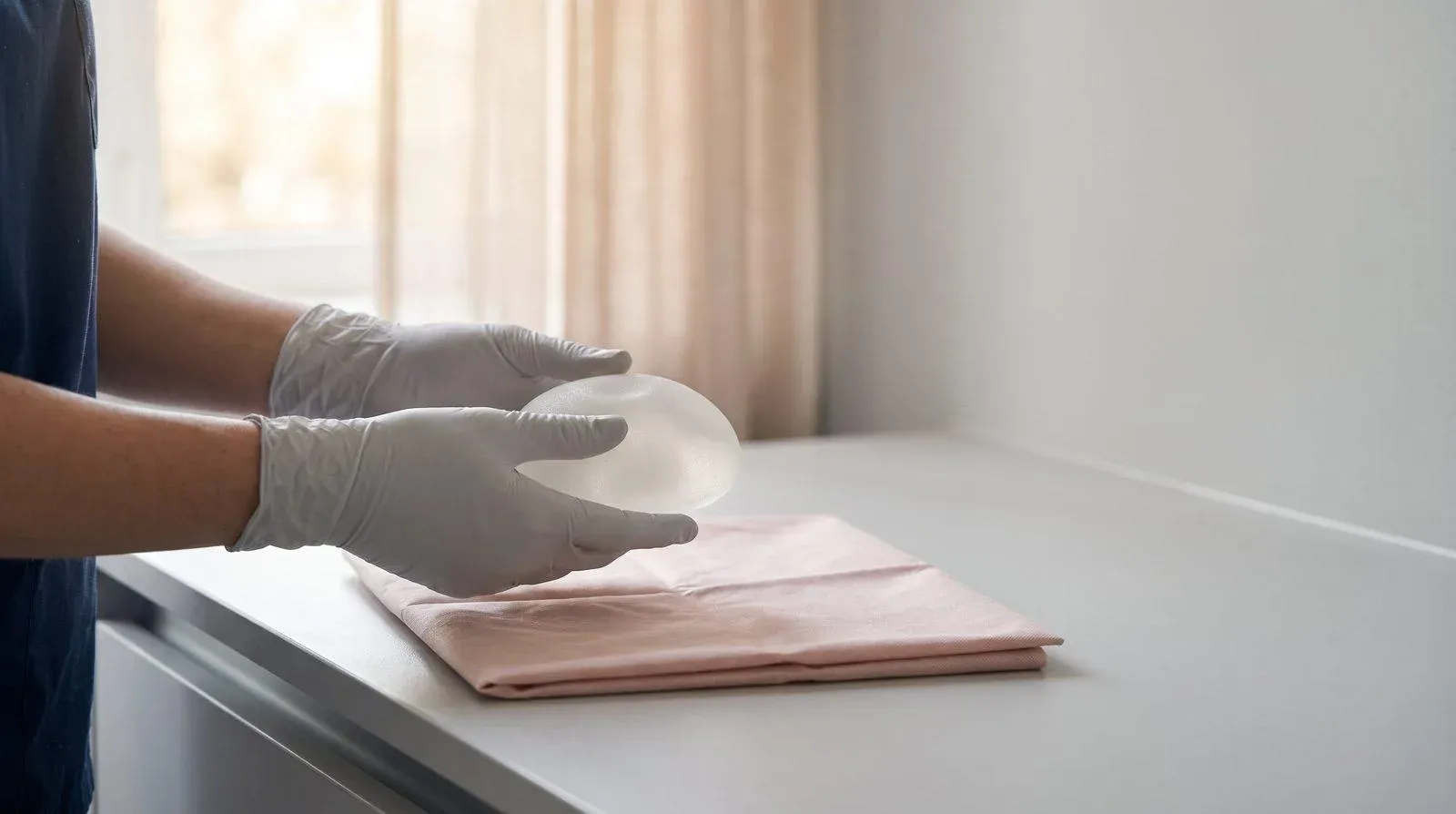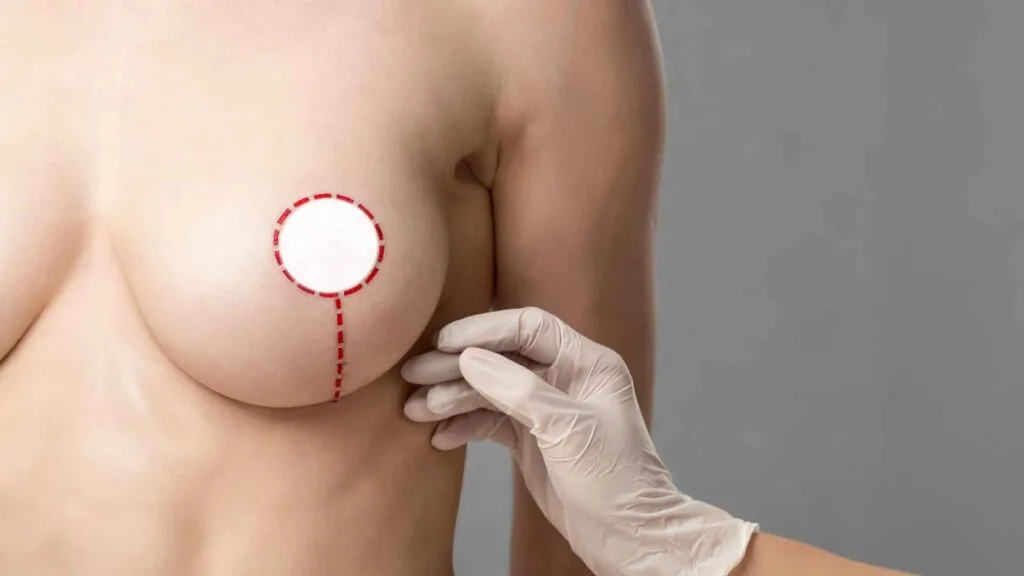


Removing breast implants is a decision many patients think about for months or even years. When the day finally comes, the question is almost always the same: how will I feel afterwards? Most patients return to a desk job within one to two weeks. What takes longest isn’t the pain, which is usually moderate, but breast shape, which keeps changing for months. This is what the first month typically looks like. Every recovery is different, and your surgeon’s instructions always take priority over this guide.
Surgery day and the next two days
- Rest. The first 24 to 48 hours are for taking it easy. You can get up and walk around the house, and you should: walking helps prevent blood clots.
- Sleep propped up. Keeping your upper body slightly elevated with pillows reduces swelling.
- Surgical bra or compression garment, as your surgeon directs. It supports the tissues and helps the space where the implant was to close.
- Pain. It usually feels like tightness and pressure across the chest rather than sharp pain, and it is managed with the medication your surgeon prescribes. Don’t take aspirin unless your surgeon approves it, because it increases bleeding risk.
- Drains. Most patients — about 95% — don’t need drains at all. When they are used, usually because the capsule was removed, you’ll have a thin drain on each side to collect the fluid the body produces in the space the implant used to fill. You’ll be shown how to empty them and record the output each day.
Week 1
- Drain removal. Drains come out in the office once the fluid output is low enough. This is usually within the first week, though it varies.
- Showering. You can shower 48 hours after surgery, and your surgeon will explain how to care for your incisions. Until then, keep them clean and dry, with no creams or oils on them.
- First follow-up. Your incisions are checked and your questions from the first days are answered.
- How you’ll feel. Tired, with breasts that are swollen, firm and somewhat bruised. That is expected.
Week 2
- Back to work. If your job is office-based and doesn’t involve effort with your arms, most patients return this week.
- Driving, once you’re off medication that makes you drowsy and can turn and brake without pain.
- More walking. Daily walks, no running.
Weeks 3 and 4
- Still no lifting. Avoid lifting more than 5 to 10 pounds for at least three to four weeks. That includes heavy grocery bags and carrying children.
- No strenuous exercise or overhead arm movements until your surgeon clears you.
- Swelling and bruising usually last two to four weeks and keep fading.
- Pathology results. If the capsule was sent to pathology, results usually arrive in these weeks and are reviewed at your follow-up.
How your breasts change
This is the part that worries patients most, and it’s worth knowing from the start. Once the implant is removed, the breast at first looks smaller, flatter and sometimes more deflated or wrinkled. That’s normal. Skin and tissue need time to adapt to the new volume, and they keep adapting for several months. What you see in the first week is not the final result.
If you had a breast lift in the same surgery, the shape will be more stable from the start, although it will also settle over the months. If not, it’s usual to wait a few months before deciding whether you want anything else done.
What is also normal
- Numbness or tingling in the breast or nipple. It usually improves over time.
- Breasts that feel firmer than expected in the first weeks, while swelling goes down.
- Ups and downs in mood. It’s a change in how you see your own body. Many patients feel relief and strangeness at the same time, and both are normal.
When to call your surgeon right away
- Sudden swelling on one side, with a tight or hard breast. It may be a collection of blood or fluid.
- Fever, redness, warmth or a bad smell at an incision or drain site.
- An incision that opens or won’t finish closing.
- Pain that gets worse instead of better.
If you have shortness of breath or chest pain, go to the emergency room.
Frequently asked questions
How painful is explant surgery?
Most patients describe tightness and pressure more than sharp pain, especially in the first days. It is usually less uncomfortable than augmentation, because no new pocket is being created.
Will the symptoms I had with implants improve?
Some patients notice improvement in the following weeks or months, and others don’t. No one can guarantee it in advance. It’s worth discussing with your surgeon with realistic expectations.
When should I call my surgeon right away?
Call your surgeon right away if you faint or feel like you might faint, if you’re short of breath or have trouble breathing, or if you notice pain, swelling or tenderness in your calf.
When can I go back to the gym?
Walking, from the start. Strenuous exercise, especially anything involving the arms and chest, once your surgeon clears you. For many patients that is around four to six weeks.
When will I see the final result?
Your breasts will keep settling for several months, so it’s best to wait before deciding on any additional procedure. Scars take a full year to mature. Once your incisions are completely closed, usually two to three weeks after surgery, it’s recommended to place silicone sheets on them for at least three months to help them heal as well as possible.
If you are considering implant removal and want to know what it would look like for you, see how we perform en bloc capsulectomy or book your consultation.
Keep reading: What can be done with your breasts after implant removal and En bloc vs total capsulectomy.
This article is for information only and does not replace your surgeon’s evaluation or instructions.