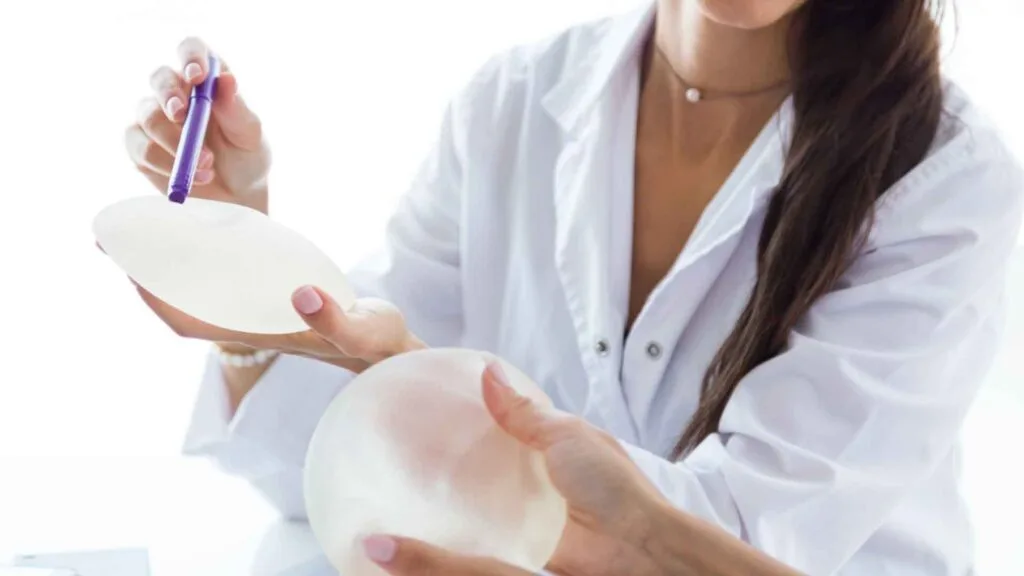
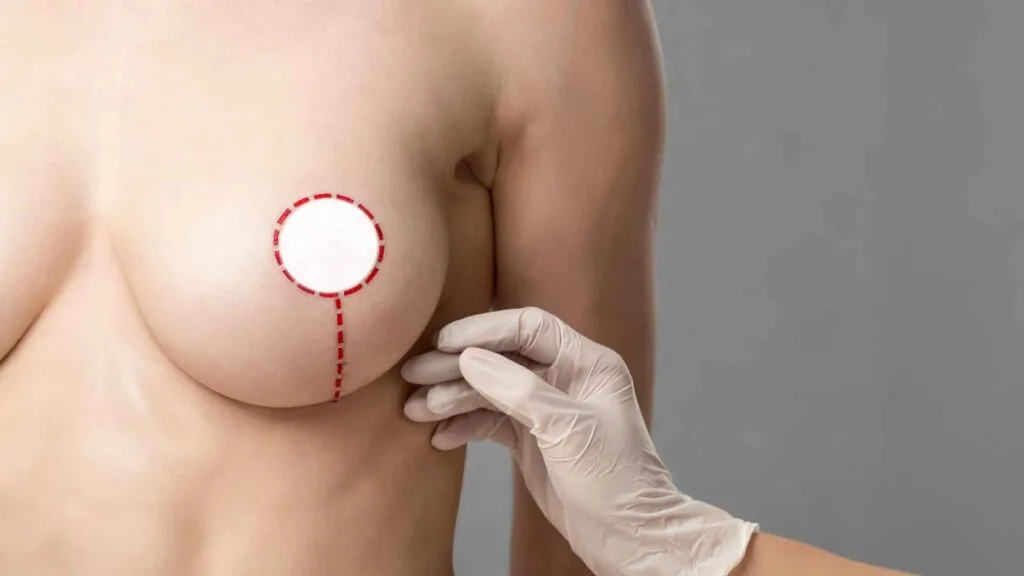
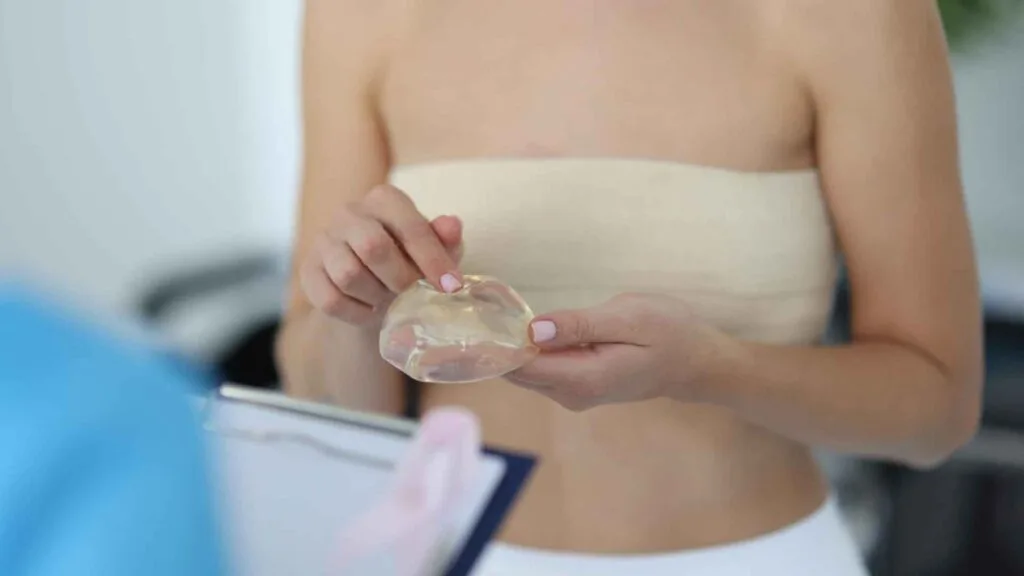
Understanding the Risks of PIP ImplantsPoly Implant Prothèse (PIP) implants gained international attention in the early 2010s after it was revealed that they were manufactured with industrial-grade silicone not approved for medical use. As a result, patients with these implants face a higher risk of rupture, leakage, and inflammatory responses. In cities like Miami, where cosmetic surgery is common, many individuals still have outdated implants and may be unaware of the potential health risks.One of the most concerning possibilities is silicone leakage, which can potentially cause a range of systemic symptoms. This is often referred to as silicone poisoning, although the term is used more descriptively than diagnostically. Understanding the symptoms of silicone poisoning and seeking appropriate care is essential for long-term wellness, especially for those with PIP implants.What Is Silicone Poisoning?Silicone poisoning is not an officially recognized medical condition in all circles, but many patients report a range of symptoms believed to be associated with silicone exposure, especially after implant rupture or leakage. The body may react to silicone particles or associated inflammatory responses in various ways.When PIP implants leak, the low-quality silicone can migrate to nearby tissues or lymph nodes, potentially triggering immune responses. Over time, this can cause both localized and systemic symptoms that impact quality of life. While ongoing research is needed, the symptoms are very real for many individuals, and clinical attention should never be delayed.Common Symptoms of Silicone PoisoningWhile symptoms vary from patient to patient, some of the most commonly reported signs of potential silicone poisoning include:Persistent fatigue or chronic exhaustionJoint or muscle pain unrelated to activityMemory loss, concentration difficulties (often described as "brain fog")Hair thinning or unexpected hair lossChronic inflammation or skin rashesSwollen lymph nodes, especially under the arms or neckChest discomfort or tightness near the implant areaUnexplained weight changesAutoimmune-like symptoms (dry eyes, joint swelling, hormonal imbalance)While these symptoms can overlap with other conditions, their emergence in individuals with known PIP or leaking silicone implants should prompt a thorough medical evaluation.How Are Symptoms of Silicone Poisoning Diagnosed?In Miami, plastic surgeons and imaging centers are familiar with diagnosing implant-related complications. If you present with symptoms of silicone poisoning, the diagnostic process may include:Detailed medical history: Focusing on implant brand, date of placement, and onset of symptomsPhysical examination: To check for swelling, tenderness, or visible signs of ruptureMRI or ultrasound imaging: To detect silent ruptures or silicone migrationBlood tests: To rule out autoimmune diseases or other systemic conditionsBiopsy or pathology: In rare cases, to evaluate tissue exposed to siliconeAt Beautyland Plastic Surgery, we work with trusted diagnostic providers in Miami to ensure accurate and timely assessment. Our goal is to provide clarity and peace of mind during what can be a confusing time.Safe PIP Implant Removal in MiamiIf you have confirmed or suspected silicone leakage from PIP implants, surgical removal is often the safest and most effective option. At Beautyland, we specialize in complex explant procedures, including:En Bloc Capsulectomy: Removal of the implant and surrounding capsule together to prevent silicone spreadTotal Capsulectomy: Complete removal of the capsule tissue, even if done separatelyExplant without replacement: For patients who prefer a natural chest contourExplant with fat grafting: Using your own body fat to enhance volume after removalImplant exchange: Replacing old implants with new, safer alternativesThe team of expert surgeons is highly experienced in PIP implant removal and takes extra precautions to protect surrounding tissues, minimize scarring, and reduce recovery time. Each case is customized to meet the patient’s health status and personal goals.What to Expect During RecoveryRecovery after PIP implant removal varies by individual and by the extent of the procedure. In general, patients can expect:1–2 weeks of reduced physical activityMild swelling, bruising, and soreness in the chest areaCompression garments to support healingImprovement in systemic symptoms within weeks or months post-explantFollow-up visits to monitor incision sites and healing progressMany patients report a noticeable reduction in their systemic symptoms after PIP removal, although each case is different. Emotional healing is also part of the journey, and our clinic provides resources and compassionate care every step of the way.Book a Consultation TodayIf you're concerned about symptoms of silicone poisoning in Miami or have PIP implants and want a professional evaluation, we invite you to schedule a consultation at Beautyland Plastic Surgery. We’ll listen, assess, and guide you toward the safest, most empowering solution.Click here to request your consultation
Dr. Anne-Sophie Lessard
Board-certified plastic surgeon with subspecialty in hand surgery. Trained at McGill and University of Miami. Founder of Plastic Surgery Boutique in Coral Gables.
We use cookies to see how this site is used and to measure our advertising. Nothing we collect identifies you as a patient, and opting out takes one click.